
How to Teach Kindness to Children: 7 Simple Tips for Parents

You know that sinking feeling when you hear about playground drama or see your little one being a bit mean to their sibling? We’ve all been there. Learning how to teach kindness to children isn’t always straightforward, especially when they’re dealing with friendship fallouts, social media pressure, or just the general ups and downs of growing up.
The thing is though, whilst we’re brilliant at helping our kids master reading and maths, we sometimes forget that social skills for children are just as important. Not every child naturally picks up on when they might be hurting someone’s feelings or knows how to put themselves in another person’s shoes.
The good news is you don’t need to be a child psychology expert to raise a kind kid. A few small tweaks to your daily routine can make a massive difference. These kindness activities for kids are simple, practical, and actually work and we promise you won’t need any fancy equipment or hours of preparation.
So, if you want to help your child become the sort of person others genuinely want to be around, then here’s some of our tried-and-tested ways to build empathy and kindness that’ll stick with them for life.
Here’s our 7 Simple Ways to Teach Kindness and Build Social Skills
Show by Example
How you act in front of your child shows them what’s acceptable. If you say unkind things about friends or family, they think this behaviour is fine. How you treat your partner or even pets becomes their normal.
Remember, children often can’t tell the difference between adult banter and genuine meanness. That sarcastic comment to your mate might seem harmless to you, but your little one could be taking notes. You’re their biggest role model and children will always copy what they see more than follow what you tell them to do.
Talk about Emotions Around You
Sometimes it’s easier for children to understand emotions by seeing them in action. Next time you’re out and about, point out what’s happening around you. For example say you drive past someone with a flat tyre, you could make a point of saying something like, “Oh dear, that person must be feeling really frustrated right now.”
Make it into a fun guessing game. Look around at people and ask your child, “Do you think that person looks happy or worried?” This helps them link facial expressions with feelings, which is brilliant social skills for children to develop early on.
Think Twice About Teasing Your Child
Some parents tease their children as a bit of fun, but if your child ends up crying or running off, they clearly don’t find it funny. This behaviour can teach them that upsetting someone is acceptable.
The same goes for sibling teasing. When brothers and sisters bicker, step in and point out how each person is feeling. It’s not just harmless sibling rivalry if someone’s getting hurt.
Talk About Behaviour Every Day
Every day gives you chances to highlight good and bad behaviour. Praising kindness works just as well as pointing out unkind actions.
When your children argue and someone gets hurt, don’t just say “that’s not allowed.” Go further and point out any marks or tears and ask, “How do you think that made them feel? How would you feel if that happened to you?” These kindness activities for kids help them develop real empathy.
Show Them the Joys of Helping
Children learn better by watching acts of kindness rather than just hearing about them. Help someone pick up dropped shopping, offer to carry something heavy, or hold the door open for a stranger.
These small daily acts of kindness shape how your child will behave as they grow up. They’ll see how both you and the stranger feel happier after these interactions and want to recreate those positive feelings.
Don’t Allow Your Child to be Rude to You
This seems obvious, but too many children get away with speaking to their parents terribly. Stop it immediately.
Children who disrespect their parents (people they love dearly) will see nothing wrong with treating strangers even worse. Learning how to teach kindness to children starts with setting boundaries at home.
If You Can’t Say Something Nice
The old classic we’ve all heard, but it’s brilliant advice to share with your child. If they’re in any situation and can’t think of anything nice to say, remind them to simply say nothing.
This simple rule can prevent them from getting into trouble and stop them from accidentally upsetting others. Sometimes the kindest thing is knowing when to keep quiet.
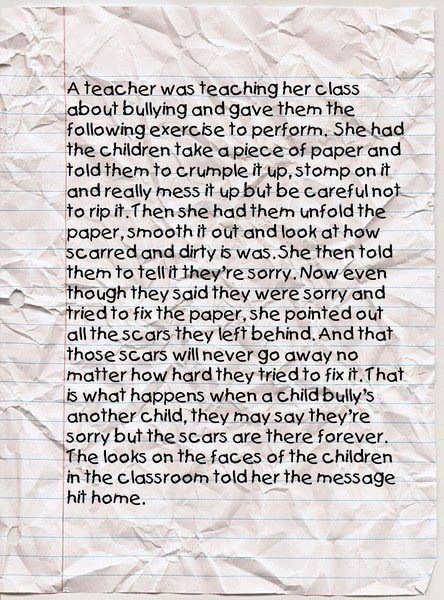
The Crumpled Paper Lesson
Our kids know that there’s good and bad people in the world, but how do you get them to understand bullying? Well we found this awesome Crumpled Paper Lesson online that a teach in New York shared with her class and thought we would share with you as we think its fab
Getting Help: Support Resources for Children and Parents
If your child is being bullied there is help out there and here are just a few helpline numbers
- NSPCC Helpline – 0808 800 5000
- National Bullying Helpline – 0300 323 0169
- Kidscape Parent’s Helpline – 0300 102 4481 (Mon & Tues 9.30am – 2.30pm)
- Childline Helpline – 0800 1111
- Samaritans – 116 123
Preparing for School Success
Teaching your child kindness and developing their social skills for children doesn’t stop during the holidays. As the new school term approaches, it’s the perfect time to reinforce these lessons and help your child feel confident about making friends and handling social situations.
A kind child is often a happy child, and happy children tend to settle into school routines much more easily. These kindness activities for kids we’ve shared will serve them well in the classroom, playground, and beyond.
Looking for other brilliant ideas to set your family up for a new school term, then why not browse through our back to school section for everything you need to make this transition smooth and stress-free. From essential checklists and stationery guides to wellness tips and practical advice, we’ve got all the resources your family needs for a successful term ahead. After all, a well-prepared child is more likely to approach new situations with confidence and kindness.