
5 Child-Safe Air Purifying Plants Every Family Home Needs

Bringing more greenery into the house is one of those small, easy wins for family life. If you’re after child-safe air purifying plants, though, it’s worth knowing that a lot of the most famous ones are actually toxic if a curious toddler has a nibble.
That’s why we’ve pulled together five that are genuinely safe to have around little ones, plus exactly where in the house each one will thrive. Alongside looking lovely on a windowsill, they’re also decent at pulling everyday toxins out of the air, the kind that sneak in through paint, furniture and cleaning products.
What the NASA study actually found
You’ll often see NASA mentioned alongside this topic, and it’s a fair mention, back in 1989 NASA ran a “Clean Air Study” looking at how houseplants might help purify the air on space stations. It found several common houseplants absorbed toxins through their leaves and soil. It’s worth knowing though, that study was done in sealed lab chambers, not real homes with doors, windows and normal airflow. Later research has found the real-world effect in an average family living room is much smaller than the headlines suggest. So think of houseplants as a nice extra layer, alongside good ventilation, rather than a replacement for opening a window.
5 Child-Safe Air Purifying Plants
1. Spider Plant
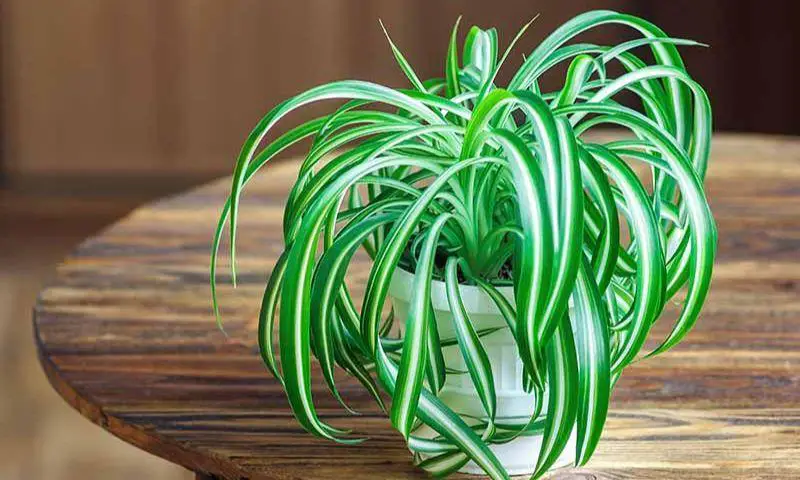
Genuinely one of the easiest plants going, and a firm favourite for kids’ bedrooms specifically because it’s completely non-toxic. Here’s some tips to help it thrive:
- Light: Bright, indirect light. An east or west-facing windowsill is ideal, avoid harsh direct afternoon sun as it can scorch the leaves.
- Water: Once a week is plenty, let the soil dry out a bit between waterings. It’s quite forgiving if you forget.
- Best room: Bathrooms and kitchens suit it best thanks to the extra humidity, but it’ll happily sit on a bookshelf or windowsill in any room.
- Worth knowing: It sends out little “babies” on long stems that you can snip off and pot up separately, a fun one for kids to watch grow and a nice way to get a free plant for their own room.
2. Barberton Daisy (Gerbera)
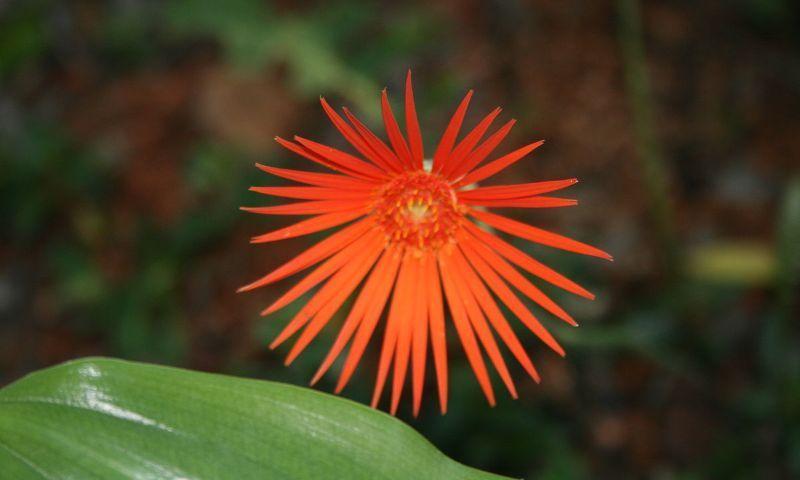
A cheerful pop of colour if the rest of your air purifying plants are looking a bit green and leafy. Here’s some tips to help it thrive:
- Light: Loves a proper sunny spot, a south or west-facing windowsill is perfect.
- Water: Keep the soil consistently moist, check every couple of days and water as soon as the top inch feels dry, it wilts fast if it dries out completely.
- Best room: Anywhere bright, a kitchen windowsill or conservatory works well. Not suited to a dark hallway or north-facing room.
- Worth knowing: Each flower lasts around 4 to 6 weeks, and deadheading spent blooms encourages new ones, a nice little job to hand over to older kids.
3. Broadleaf Lady Palm

A slow-growing, sturdy palm that’s genuinely hard to kill, and well regarded for its ability to filter formaldehyde from the air. Here’s some tips to help it thrive:
- Light: Happy in bright indirect light but tolerates lower light better than most palms, useful if you’ve got a dimmer corner to fill.
- Water: Let the top half of the soil dry out between waterings, and go easier still over winter.
- Best room: Adaptable to almost any well-lit room, living rooms and hallways both work well.
- Worth knowing: It’s a proper slow grower, so what you buy is roughly what you’ll have for a good few years, no surprise takeover of the shelf.
4. Boston Fern
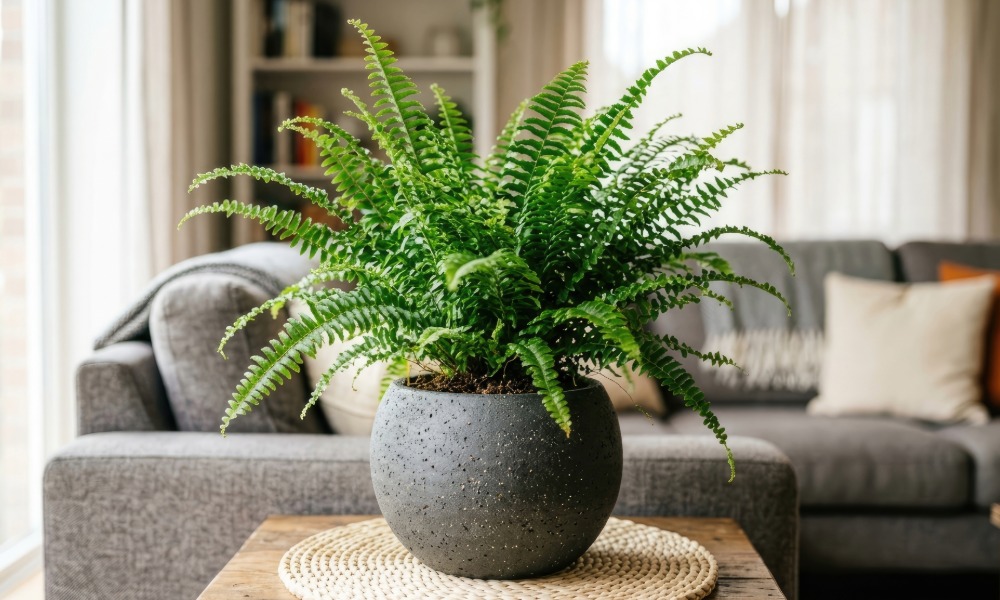
The classic bathroom plant, and for good reason. Here’s some tips to help it thrive:
- Light: Bright but indirect light, avoid direct sun which will scorch those delicate fronds.
- Water: Keep the soil consistently moist (not soggy), and mist regularly, or better still, let it soak up the steam from bath time.
- Best room: A bathroom with a window is genuinely its happy place, the humidity suits it far better than a dry living room.
- Worth knowing: If a Boston Fern starts dropping fronds, it’s almost always down to dry air rather than a lack of water, worth remembering before you reach for the watering can.
5. Areca Palm
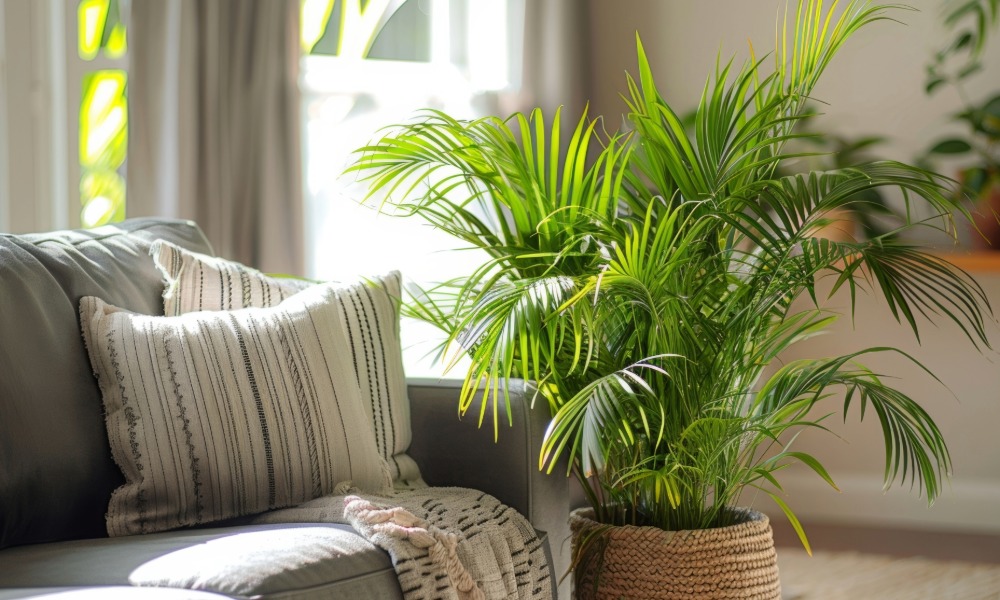
A graceful, feathery palm that brings a bit of a jungle feel and works hard as an air purifier too. Here’s some tips to help it thrive:
- Light: Bright, indirect light, an east or west-facing window is ideal.
- Water: Water when the top inch of soil feels dry, roughly once a week in the growing season, a little less over winter.
- Best room: Living rooms and playrooms, it likes a bit of space to fan out and benefits from good air circulation near a door or window.
- Worth knowing: As well as filtering air, it naturally helps regulate humidity in a room, handy in centrally heated homes over winter.
A couple you’ve probably heard of, worth knowing why they’re not on this list
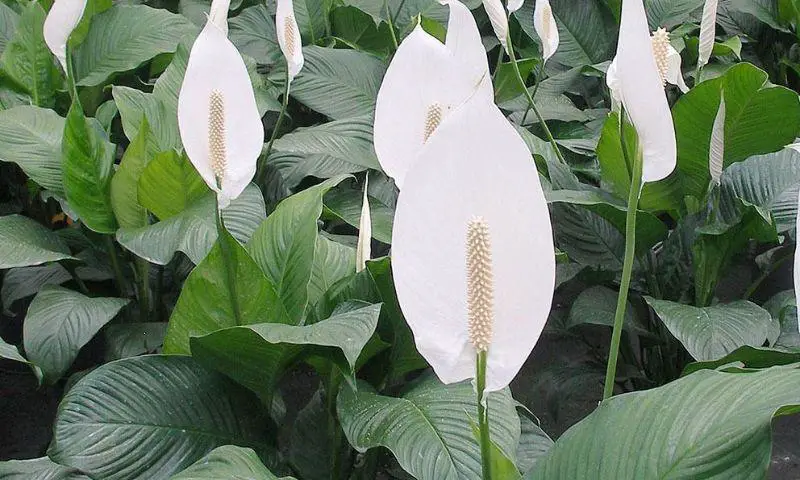
Peace Lily and English Ivy come up constantly in “best air purifying plants” lists, and it’s easy to see why, they’re both genuinely excellent at filtering toxins. But neither is suitable for a family home with young children. Peace Lily contains calcium oxalate crystals that can cause burning and swelling of the mouth if chewed, and English Ivy can cause vomiting and skin irritation. If you already have either, they’re absolutely fine to keep, just somewhere little hands (and curious toddlers who put everything in their mouths) genuinely can’t reach.
A few common questions parents ask
Are all air purifying plants safe around pets too? ▼
Not automatically, safety for children and safety for pets don't always line up the same way, though happily all five plants on this list are non-toxic to cats and dogs as well.
How many plants do I actually need for it to make a difference? ▼
More than most people think, closer to the effect you'd get from good ventilation. Dotting two or three of these child-safe air purifying plants around the main rooms your family spends the most time in is a sensible, low-effort way to get the benefits without turning your house into a jungle.
My child has already chewed a leaf, what should I do? ▼
For any of the five plants on this list, there's genuinely nothing to worry about. If you're ever unsure about a different plant in the house, it's always worth a quick call to your GP or 111 for reassurance.
Adding a few child-safe air purifying plants around the house is a small, easy change that does real good, better indoor air quality, a calmer feeling to a room, and one less thing to worry about with curious little hands around. If you’re after other easy ways to cut down on the chemicals your family’s breathing in day to day, our guide on deep cleaning your microwave the natural way is worth a look too.