
Why Pumpkins Are Orange: Simple Science for Curious Kids

tipsEver wondered why pumpkins are bright orange and perfect for spooky season? If your little ones have been asking (and let’s face it, they probably have), you’re in the right place. October rolls around, and suddenly pumpkins are everywhere. Stacked outside shops, carved into grinning faces on doorsteps, baked into pies, and lying in the fields waiting to be picked. But have you ever stopped to think about why they’re that bright shade of orange?
Pumpkins aren’t orange by random, in fact it’s pretty fascinating when you find out why they’re orange. The answer involves some clever plant science that’s surprisingly simple to explain, even to a curious five-year-old. So grab a cuppa, and let’s help you understand the science behind that orange colour.
What Makes Pumpkins Orange?

The pumpkin science for kids is pretty simple. Pumpkins get their orange colour from natural pigments called carotenoids. These are the same things that make carrots orange, sweetcorn yellow, and even flamingos pink (they eat them in their food!). Carotenoids are basically nature’s way of painting fruit and veg in warm, vibrant colours.
When pumpkins are growing, these pigments build up in the skin and flesh. And these pigments are actually even there when the pumpkin is small and green, just you can’t see them yet.
The Green-to-Orange Transformation
In the early stages of growth, pumpkins are green. That’s because of another pigment called chlorophyll, which helps plants absorb sunlight and make food through photosynthesis. Chlorophyll is super important for the pumpkin plant to grow strong and healthy.
But as autumn approaches and the days get shorter, the plant starts to wind down. It produces less chlorophyll, and as the green fades. This is when the orange carotenoids that were hiding underneath finally get their moment to shine. Warm sunny days and cool nights are the perfect combo to trigger this ripening process. A bit of extra moisture in the soil can also help things along.
The specific shade of orange comes mainly from beta-carotene, which is the same nutrient that’s brilliant for our eyesight and skin. So when you tuck into pumpkin soup or pie, you’re not just enjoying a tasty treat, you are getting a healthy dose of goodness too.
Pumpkin Science for Kids: Why Does Colour Matter?

You might be wondering why any of this matters. Well, here’s where the pumpkin science for kids gets really interesting. For farmers and growers, the colour of a pumpkin is a big clue about whether it’s ready to pick. A deep, even orange usually means the pumpkin is ripe, sweet, and ready to eat (or carve). If it’s still pale or greenish, it probably needs a bit more time on the vine.
The carotenoids for us are also useful as they help keep our eyes sharp and our skin healthy. They are also antioxidants, which means they help protect our bodies from damage, so they are an impressive little pigment for many reasons.
What If Your Pumpkin Is Still a Bit Green?
When you rock up to your local farm to pick your own pumpkin with the kids you might sometimes notice that some of the pumpkins you see cut off the vine are still looking a bit green. This is ok and totally normal, so no need to worry. Pumpkins can carry on ripening and turning orange even after they’ve been cut, as long as they’ve already started to change colour.
In fact here’s a top tip for you if end up picking a pumpkin that’s a bit on the pale side, if you pop it in a warm, dry, sunny spot at home. Give it a turn every day so all sides get a bit of sun, and you should see the green fade to orange over the next few weeks. Just make sure you leave a few inches of stem attached when you cut it (or ask the farmer to) as that helps stop it rotting from the top.
Not All Pumpkins Are Orange
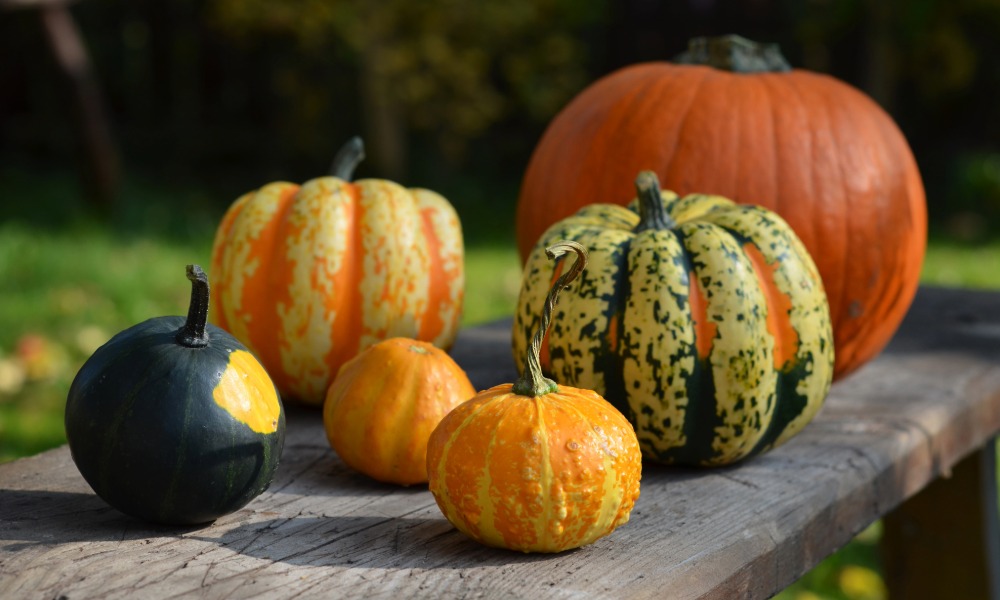
Another interesting fact to share with the kids is that not all pumpkins are orange. Some varieties are white, yellow, red, tan, or even blue. The colour depends on which pigments are most active in that particular type. White pumpkins, for example, have very little carotene, so they stay pale. Blue and grey pumpkins have other pigments mixed in. It’s all down to genetics and the variety of pumpkin.
So if you spot a white or blue pumpkin at the farm, don’t think it’s broken, it’s just a different type doing its own colourful thing.
Fun Facts About Pumpkin Colours
Here are a few more bite-sized facts to share with your little scientists:
- The orange colour gets brighter as the pumpkin ripens. The longer it stays on the vine soaking up sunshine, the deeper the colour.
- Carotenoids are found in loads of other foods too. Carotenoids can be found inside butternut squash, mangoes, apricots, and red peppers.
- Some pumpkins weigh over 1,000 kilograms! The giant ones you see at competitions are usually a pale orange or yellowish because they grow so fast. There is even a heaviest pumpkin in the Guinness World Records that weighed 1,246.9 kilograms at a competition in California, USA, on 9 October 2023.
Try This at Home: A Simple Pumpkin Activity
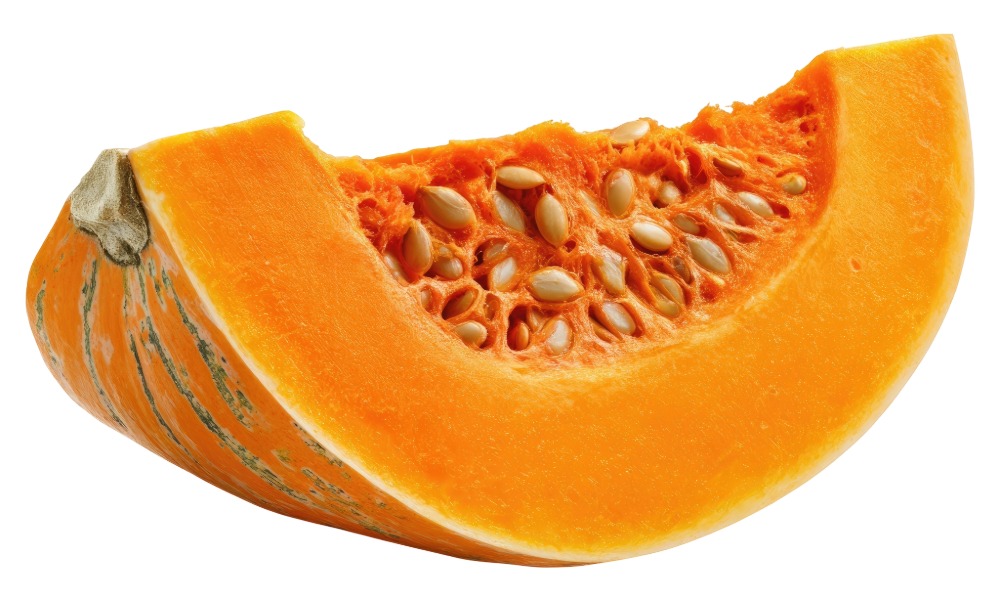
If your kids are really into this, why not try a little hands on activity this October Half Term. The next time you carve a pumpkin or if you’re buying one to cook some goodies for a Halloween Party table, then have the kids have a good look inside when its cut open. Compare the colour of the skin to the flesh. See if you can you spot where the orange is at its brightest. Try to identify if the inside is a paler or deeper orange colour. You could even scoop out some seeds and roast them as they are tasty and often forgot to be packed with nutrients too.
An if the rain moves in on one of the days over half term or as an evening activity why not grab some paper and coloured pencils and ask your child to draw their own pumpkin. Get them to label the parts that make it orange. We think this is a fun way to bring a bit of science into your family Halloween prep.
What’s the Takeaway?
So, next time you’re carving a pumpkin or stirring a pot of pumpkin soup, you’ll know exactly what’s behind that cheerful orange glow. It’s not October magic, it’s carotenoids, a bit of sunshine, and some seriously clever plant biology. Pumpkin science for kids doesn’t have to be complicated and now you’ve got the perfect answer when your little one pipes up up with “But why are pumpkins orange, though?”
If you’re planning to pick your own pumpkins this October, check out our guide on Where to Pick Your Own Pumpkins in West Wales for the best local spots. And once you’ve got your perfect pumpkin home, head over to our Family Guide to Picking and Preserving Your Pumpkin for top tips on keeping it looking fresh all season long.
Happy pumpkin hunting and happy explaining this October Half Term.